
Introduction
In the interconnected world of modern telecommunications, everyday devices rely on a complex web of invisible codes and agreements to connect to mobile networks. Whether a smartphone connects to a local cellular tower or an international traveler accesses data abroad, a structured system of identifiers ensures that signals reach the correct destination. For researchers, software developers, and technology businesses, understanding these underlying codes is essential for analyzing network relationships and connectivity options.
Investigating global connectivity requires more than just looking at commercial brand names. Beneath the surface of retail mobile plans and consumer-facing services lies an official framework of numbering assignments and network identifiers. By examining how these identifiers are organized, professionals can gain clearer insights into the telecommunications landscape and the organizations responsible for managing network assignments.
The Foundation of Mobile Network Identifiers
To understand how mobile devices recognize and connect to cellular networks, it helps to examine the fundamental building blocks of telecommunications numbering. At the heart of international mobile connectivity are standards established by regulatory bodies like the International Telecommunication Union (ITU), particularly within frameworks such as Recommendation E.212. These standards define how countries and individual networks are identified across wireless systems.
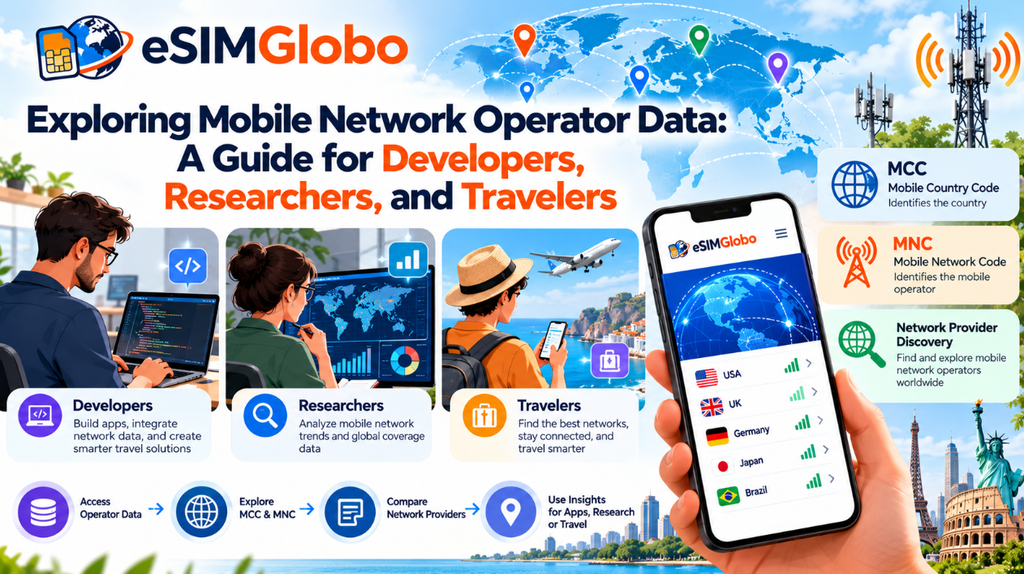
A standard mobile network identifier typically combines two primary components: the Mobile Country Code and the Mobile Network Code. Together, these codes form a unique identifier that helps mobile devices locate and register with authorized networks.
- Mobile Country Code (MCC): A three-digit code that identifies the specific country or geographic region of the mobile subscriber or network.
- Mobile Network Code (MNC): A two- or three-digit code attached to the MCC, which identifies the specific mobile network operator within that country.
When these two elements are combined, they form a Public Land Mobile Network (PLMN) identifier. A PLMN Code Lookup allows technical analysts and researchers to examine these combined strings, revealing which network assignment corresponds to a given signal or configuration.
It is important to note that an assigned code does not automatically guarantee that a network is commercially active or accessible to every consumer. Network codes represent official administrative and technical assignments rather than retail service availability. Furthermore, these identifiers differ fundamentally from telephone country calling codes used for voice dialing. While calling codes route voice traffic through the public switched telephone network, mobile network identifiers operate at the radio link and core network layer to authenticate devices and manage roaming agreements.
Researching Network Assignments and Operator Records
When investigating telecommunications data, researchers often rely on structured references to connect raw numeric codes with their corresponding organizations. An MCC MNC Lookup serves as a practical starting point for identifying which network entity holds a particular administrative assignment.
Connecting a code to its rightful owner involves examining official records, regulatory filings, and historical assignment updates. To make this process efficient, researchers frequently utilize a comprehensive Mobile Network Operator Directory. Such a directory helps bridge the gap between technical identifiers and corporate entities, allowing users to verify which organization was granted a specific code assignment.
However, interpreting these records requires careful attention to detail. A complete Telecom Operator Database typically provides historical data, source references, and verification statuses to help users evaluate the reliability of each entry. When reviewing these databases, researchers should consider several key factors:
- Source References: Official administrative assignments should be traceable back to recognized telecommunications regulators or international standards bodies.
- Verification Status: Knowing when a record was last checked ensures that analysts are not relying on outdated corporate structures.
- Geographic Scope: Some assignments cover specific regions, territories, or specialized network arrangements rather than standard nationwide footprints.
- Data History: Mergers, acquisitions, and corporate rebrandings often lead to updated assignments over time.
While these reference records provide invaluable clarity, users must remember their limitations. A listed assignment confirms who holds the technical identifier, but it does not automatically verify current commercial operations, wholesale roaming availability, or the quality of retail services offered under that banner.
Exploring Network Assignments Across Geographic Regions
Telecommunications numbering plans vary significantly across the globe. Organizing these records by region helps analysts track how different countries manage their scarce numbering resources. Exploring Mobile Network Codes by Country allows researchers to compare national regulatory frameworks and observe how different administrations allocate codes to domestic operators.
A well-maintained Mobile Country Code List provides a structured geographic overview, mapping three-digit country codes to their respective sovereign states, territories, or recognized international mobile zones. This geographic organization is particularly useful for international businesses, travel researchers, and software developers who need to understand regional numbering variations.
When examining network assignments across borders, several nuances deserve attention:
- Assignment Density: Countries with larger or more competitive telecommunications markets often utilize multiple MNC formats or larger blocks of network codes to accommodate numerous operators.
- Special Jurisdictions: Certain codes may be assigned to international waters, global satellite networks, or specialized multi-country roaming platforms rather than a single physical nation.
- Regulatory Updates: National regulators periodically update their assignment registries, meaning that historical records must be continually cross-referenced with current official publications.
By studying these geographic patterns through a Global Telecom Provider Directory, researchers can gain a broader perspective on how international connectivity is administered across diverse territories.
Distinguishing Operators, Brands, and Network Relationships
One of the most common points of confusion in telecommunications research is the distinction between a network-code assignee, a physical infrastructure owner, and a commercial retail brand. In many cases, the name printed on a SIM card or displayed on a smartphone screen is a consumer-facing brand rather than the company that owns the underlying cellular towers.
Understanding these relationships requires looking beyond simple brand names to examine the underlying business models:
- Mobile Network Operators (MNOs): These companies own and operate physical wireless infrastructure, including base stations, spectrum licenses, and core network equipment. They are typically the direct assignees of official network codes.
- Mobile Virtual Network Operators (MVNOs): These entities offer retail mobile services to consumers but do not necessarily own radio access network infrastructure. Instead, they lease wholesale network capacity from traditional MNOs.
A specialized MVNO Directory helps researchers identify virtual operators and understand their underlying wholesale relationships. Because MVNO business models vary widely—ranging from light resellers with minimal technical infrastructure to full virtual operators with their own core network elements—their reliance on specific network codes can differ significantly.
Furthermore, commercial brands frequently change or license their names for marketing purposes. An official assignment record may list a corporate holding company or a historical operating entity that differs entirely from the retail brand recognized by everyday consumers. Keeping these distinctions clear prevents inaccurate assumptions about who actually provides underlying network connectivity.
Organizing Reliable Telecom Data for Technical Research
High-quality telecommunications research depends on the integrity, consistency, and organization of underlying data. Whether building internal reference tools or analyzing market trends, professionals require structured information that minimizes ambiguity and highlights verifiable facts.
A reliable data repository relies on standardized record formats, transparent sourcing, and disciplined update cycles. When data providers document their verification methods and cite official regulatory bodies, users can trust the baseline information more effectively. Conversely, unverified directories riddled with duplicate entries, outdated operator names, or missing source dates can introduce costly errors into technical workflows.
For organizations that manage large volumes of connectivity data, maintaining clean reference records is an ongoing operational task. Ensuring that identifiers align with international standards helps prevent routing errors, mislabeled network assignments, and confusion during international roaming analysis.
Researching eSIM and Connectivity Providers
In recent years, the telecommunications market has seen rapid growth in digital SIM technology, commonly known as eSIM. This shift has introduced a wide array of new consumer-facing brands and digital connectivity providers that cater to international travelers and remote workers.
When researching eSIM businesses, users must evaluate different criteria compared to traditional network operators:
- Supported Destinations: Understanding which countries and regions are covered by a particular provider’s profile offerings.
- Coverage Descriptions: Determining whether a provider relies on direct host network agreements or multi-layered wholesale roaming arrangements.
- Service Restrictions: Checking for speed caps, data throttling policies, or specific device compatibility requirements.
- Data Allowances and Validity: Reviewing how data packages are structured, whether they support tethering, and how long the service remains active.
It is vital to distinguish between a digital eSIM retailer and a traditional mobile network operator. An eSIM provider often acts as a service aggregator or retail distributor, partnering with underlying MNOs around the world to deliver connectivity profiles to consumer devices. Therefore, researching eSIM options involves exploring an eSIM Provider Directory to understand retail offerings, customer support channels, and destination coverage, while using network assignment databases to understand the technical routing layers underneath.
Potential Developer Use Cases and Technical Integration
Software developers and technical teams frequently encounter scenarios where integrating structured telecommunications data can enhance their applications. While requirements vary across different projects, several common use cases benefit from access to organized network-assignment information:
- Telecom Research and Analysis: Developers building analytical dashboards can use structured reference data to visualize market structures and operator footprints.
- Network Identity Verification: Applications that process subscriber data or analyze connectivity logs may incorporate reference checks to validate network identifier formats.
- Data Enrichment Workflows: Internal business intelligence tools can enrich user telemetry or roaming logs by associating raw identifier strings with recognized corporate entities.
- Reference Management: Maintaining clean internal databases of MCC and MNC assignments helps technical teams keep their routing and configuration systems up to date.
For teams seeking programmatic access to this information, an MCC MNC Lookup API represents a potential architectural approach for automating data retrieval. When designing such integrations, developers must rely on officially documented endpoints, respect rate limits, and ensure that their systems gracefully handle historical changes in network assignments.
Data Limitations and Verification Best Practices
Telecommunications data is inherently dynamic. Mergers, acquisitions, regulatory reassignments, and network modernizations mean that assignment records can change over time. Relying on static assumptions without verifying current source documentation can lead to outdated conclusions.
To maintain accuracy in telecom research, professionals should adopt a disciplined verification checklist:
- Check the Source Date: Always look for the date when a record was last verified or updated by an official registry.
- Consult Primary Authorities: Cross-reference secondary summaries with official publications from national regulators or international standards organizations.
- Confirm Operational Status: Recognize that an administrative code assignment does not prove live commercial availability in every market.
- Account for Structural Changes: Verify whether a listed operator has recently rebranded, merged, or transferred its code assignments to another corporate entity.
By acknowledging these limitations and practicing careful verification, researchers and developers can build more robust, reliable technical solutions.
Independent Telecom Research with eSIMGlobo
Navigating the complexities of global telecommunications identifiers requires access to transparent, well-organized reference materials. Platforms like eSIMGlobo serve as an independent global telecom provider directory designed to help users explore mobile network operators, network identifiers, and connectivity providers in a structured manner.
By focusing on MCC and MNC research, geographic code exploration, and transparently sourced operator records, eSIMGlobo aims to simplify how professionals and curious readers investigate telecommunications data. While the platform continues to expand its resources—including plans for future developer APIs and specialized directories—its core mission remains rooted in making complex telecom information clear, accessible, and easy to navigate. Exploring verified provider records can offer valuable context for anyone seeking to understand the intricate network relationships that power modern global communication.
Frequently Asked Questions
What is the difference between an MCC and an MNC? An MCC (Mobile Country Code) is a three-digit code that identifies a specific country or geographic region, while an MNC (Mobile Network Code) is a two- or three-digit code that identifies a specific mobile network operator within that country. Together, they form a complete mobile network identifier.
How is a PLMN code constructed? A Public Land Mobile Network (PLMN) code is created by combining the Mobile Country Code and the Mobile Network Code into a single string. This combined identifier is used by mobile devices and network infrastructure to authenticate connections and manage roaming.
Does a listed mobile network code mean the network is active? Not necessarily. An official network code assignment is an administrative and technical record indicating that a code has been allocated to an entity. It does not automatically guarantee that the network is commercially active, has nationwide coverage, or is currently accessible to all consumers.
What is the difference between an MNO and an MVNO? A Mobile Network Operator (MNO) owns and operates physical wireless infrastructure, such as cell towers and spectrum licenses. A Mobile Virtual Network Operator (MVNO) offers retail mobile services to consumers by leasing wholesale network capacity from traditional MNOs rather than owning its own radio masts.
Why do some network codes change over time? Network codes can change due to corporate mergers, acquisitions, bankruptcies, or reassignments by national telecommunications regulators. When operators restructure or rebrand, their underlying administrative assignments are often updated in official registries.
Can I use a directory to find eSIM provider details? Yes. While technical network databases focus on radio identifiers like MCC and MNC codes, specialized provider directories help users research consumer-facing eSIM brands, destination coverage, data packages, and support offerings.
How do developers typically access telecom reference data? Developers often ingest structured datasets, use reference libraries, or integrate with specialized APIs where available to programmatically query network identifiers, validate code formats, and enrich internal applications with telecom metadata.
Are all mobile network codes the same length worldwide? No. While Mobile Country Codes are universally three digits long, Mobile Network Codes can be either two or three digits long depending on regional standards and national numbering plans established by telecommunications regulators.
Where do official network code assignments come from? Official assignments are coordinated through international standards organizations like the International Telecommunication Union (ITU) and administered locally by national telecommunications regulatory authorities in each country.
Why is data verification important in telecommunications research? Because the telecom industry evolves constantly through corporate changes and regulatory updates, unverified data can quickly become outdated. Using verified sources ensures accuracy in technical analysis, routing configurations, and market research.
Conclusion
Understanding the hidden architecture of mobile communications is essential for navigating today’s interconnected digital landscape. By examining how Mobile Country Codes, Mobile Network Codes, and Public Land Mobile Network identifiers work together, professionals and enthusiasts can demystify how devices connect across borders. Recognizing the distinctions between network-code assignees, infrastructure owners, and commercial retail brands ensures greater clarity in technical research. Utilizing independent directories like eSIMGlobo provides a practical way to explore these complex relationships, verify assignment records, and make informed decisions in a rapidly evolving telecommunications environment.

